Housing in Libya: A Luxury for the Wealthy Amidst Soaring Prices and Political Deadlock
Obtaining residential property in Libya—particularly in major cities like the capital, Tripoli, in the west or Benghazi in the east—has become a privilege reserved exclusively for the wealthy.
According to architect Mohamed Ghalib Al-Qablawi, the price of a single housing unit within urban plans that offer basic services (schools, clinics, and markets) has reached 1 million Libyan Dinars (approx. $200,000 USD). Meanwhile, rents in secure areas range from 1,500 LYD ($300) to 4,000 LYD ($900).
The Decade of Inflation (2014–Present)
The real estate market began its dramatic ascent over the last decade, specifically following the 2014 conflicts (Operation Libya Dawn and Operation Dignity). These events triggered a massive wave of displacement from conflict zones toward neighborhoods perceived as “safe zones,” such as Venice District in Benghazi or Bin Ashour and An-Nofliyin in Tripoli.
This surge has severely impacted average citizens, whose monthly government salaries often do not exceed 1,000 LYD ($200), especially since the state-run housing program has been suspended since 2011.
“Imaginary” Prices and the Vanishing Middle Class
Speaking to Independent Arabia, Mohamed Al-Abed, a 40-year-old citizen, shared his struggle. Despite his age, he remains unable to marry due to “imaginary” property prices that are incompatible with the middle class—a demographic he says has nearly vanished due to the supply-demand imbalance.
Al-Abed described a fruitless search for a home, even in the outskirts where basic infrastructure like sewage, paved roads, and schools are non-existent. “It takes nearly an hour just to reach the nearest school,” he noted. He criticized the current government’s initiative to provide youth housing loans as “failed,” calling instead for the reactivation of national housing projects and the modernization of real estate laws.
Government Initiatives vs. Expert Critique
Earlier this month, Prime Minister Abdul Hamid Dbeibeh announced that his government would begin granting land plots and housing loans worth 150,000 LYD ($30,000) as an initial solution.
However, real estate experts argue this move is inadequate. They contend that the real solution lies in:
- Re-opening doors for international real estate firms.
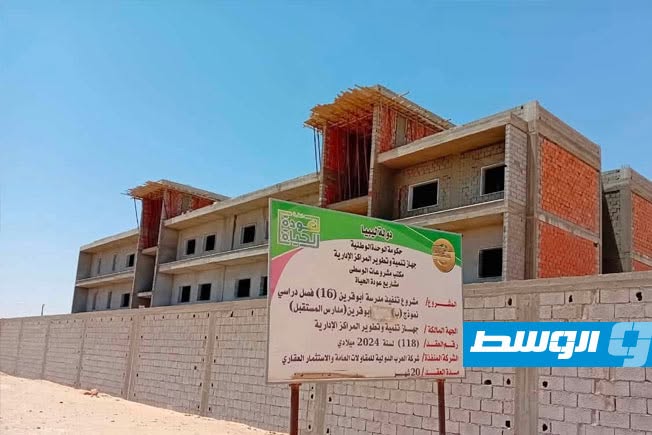
- Allowing the private sector to take over massive housing projects stalled since the collapse of the Gaddafi regime in 2011.
Security, Politics, and Legal Stagnation
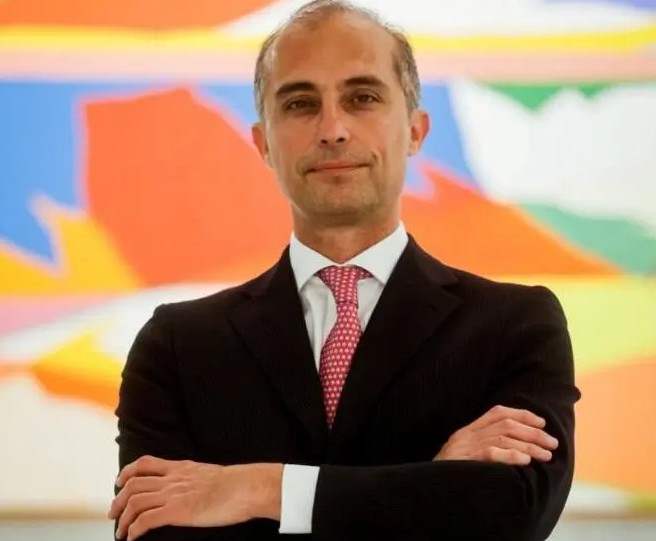
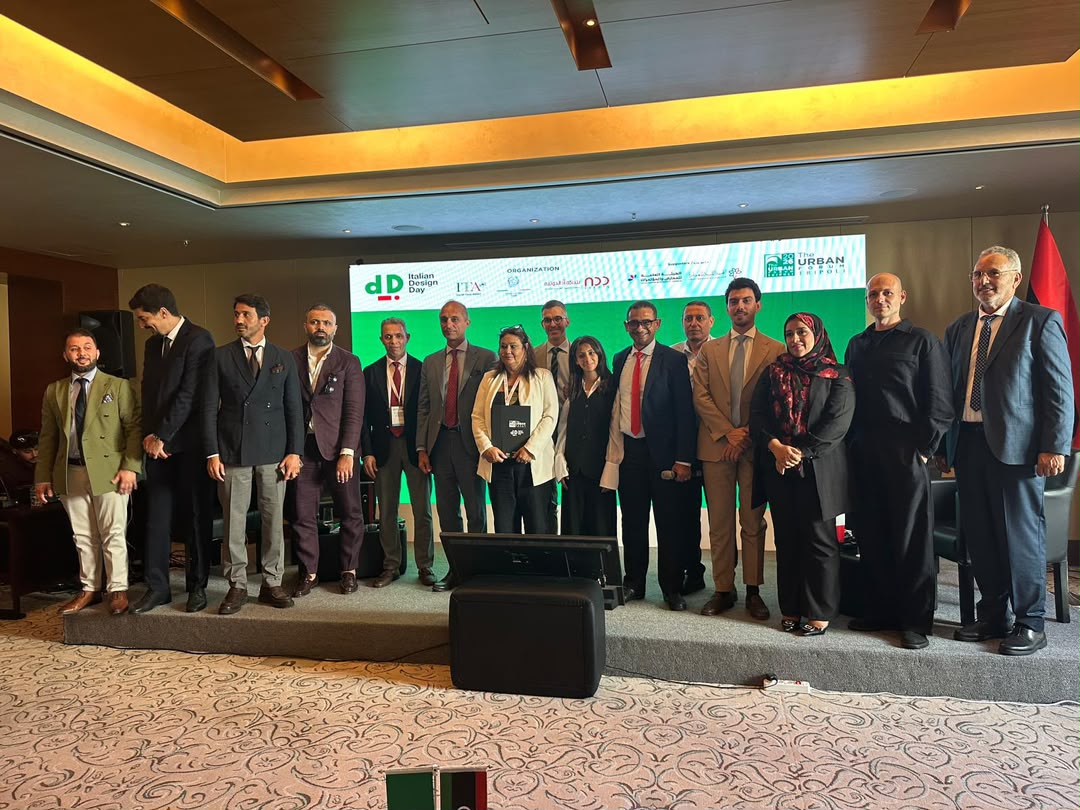
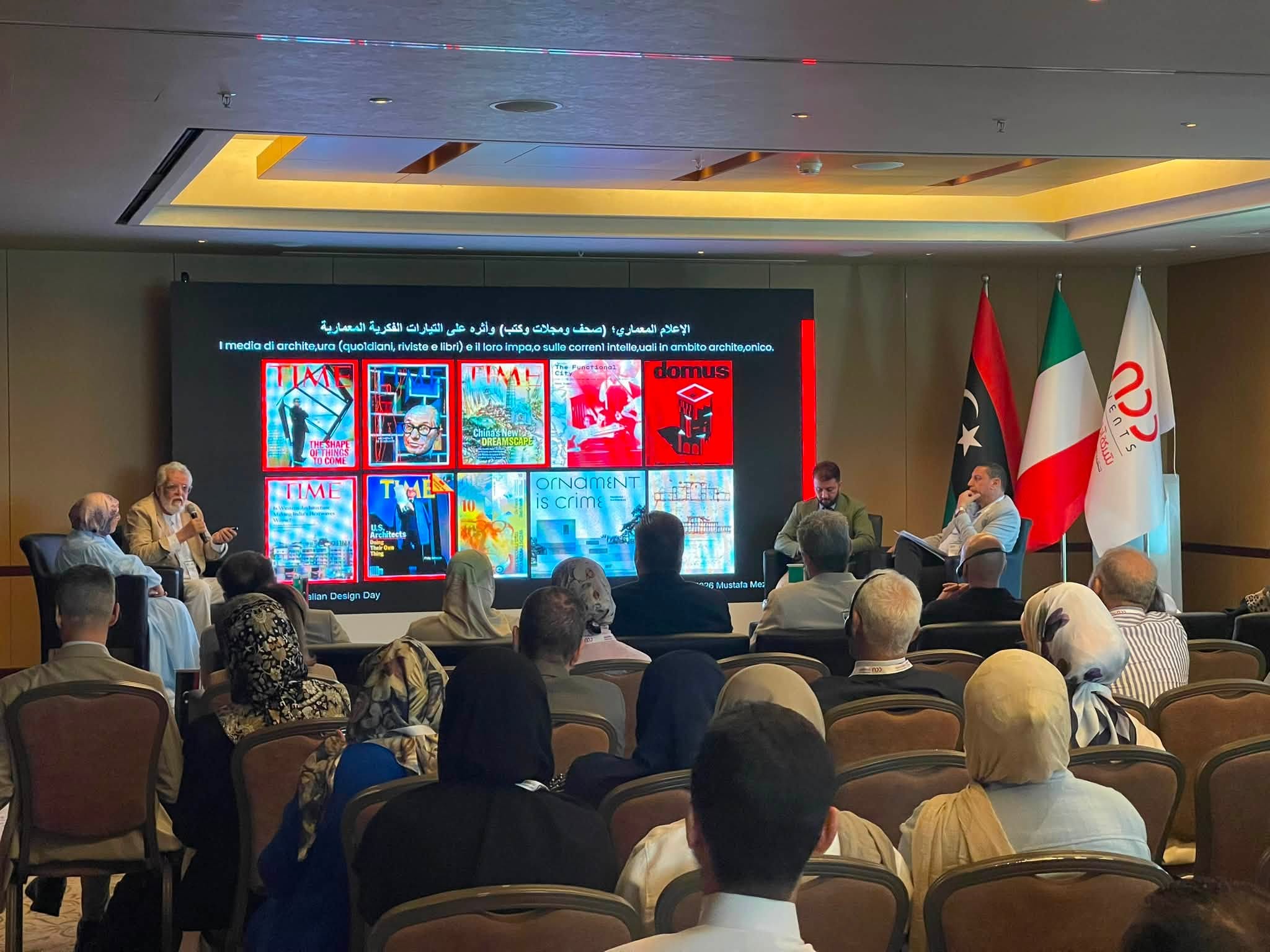
Mohamed Ghalib Al-Qablawi, architect and organizer of the Libya Urban Forum, attributes the crisis to a cocktail of security, political, and legal factors:
- Security & Displacement: The 2014 conflicts and the presence of ISIS in Derna and parts of the South forced a population shift toward the capital, causing land prices to skyrocket.
- Currency Devaluation: Costs peaked in 2018 following the collapse of the Libyan Dinar against foreign currencies.
- Political Clientelism: The succession of governments led to the displacement of political opponents and the creation of “real estate lobbies” that control the market.
- Legal Vacuum: Al-Qablawi highlighted a “legal stagnation,” noting that Libya lacks a comprehensive Real Estate Development Law. Current regulations are fragmented, and the concept of development hasn’t matured in the private sector.
“Under the previous era of ‘Real Estate Socialism,’ the focus was merely on providing shelter for a growing population, ignoring spatial development and integrated services.” — Ghalib Al-Qablawi
Proposed Solutions
To resolve the crisis, Al-Qablawi suggested:
- Developing Marginalized Towns: Investing in infrastructure and security in towns like Yefren or Murzuq to prevent mass migration to major cities.
- Vertical Expansion: Encouraging high-rise developments to increase density.
- Connecting Suburbs: Linking the outskirts to city centers through robust transport and service networks.
- Foreign Investment Law: Establishing a specific law for foreign investment to spark competition and increase supply, eventually driving down prices.